
Swaps Are The New Dealer for Those Addicted on Dollars
It’s said that the Global Financial Crisis of 2008 was not necessarily about Real Estate (although that was the traded asset behind everything) but more about the shortage of dollars–or at least the people willing to share dollars to others.
If we consider the Global Financial Crisis of 2008 as a global dollar liquidity crisis caused by excessive leverage and hidden risk throughout the financial system, we begin to see the immediate importance of the dollar. As confidence cracked, institutions stopped trusting each other’s balance sheets because nobody knew where the losses were hidden. This caused a sudden shortage of dollars and short-term funding, especially in the wholesale lending markets that large financial institutions depended on daily.
Even solvent firms, ones who could prove their balances effectively struggled to obtain liquidity as credit markets froze, asset prices collapsed, and forced selling accelerated the panic. The system had become so interconnected and leveraged that once risk could no longer be accurately priced, the demand for cash and safe collateral overwhelmed the supply of available liquidity. It’s worth twisting your memory here because we’re now seeing the same cracks appear in the global economy.
Now
An impending global energy & fertilizer shortage, future food shortages, constant global conflicts, mass migration tension, consumer debt rates, reduced growth figures and a brutal real inflation rate has taken everybody by surprise. This is not only a USA problem, economic weakness is present around the planet. This was particularly noted over the last 5 years as hitting emerging markets hard since the global economy shut down to inject everybody in the arm with gene therapy.
If countries produce less goods at higher prices then their inflow of dollars drops significantly. Less dollars = more foreign currency printing to acquire dollars–more inflation at home and to compensate or slow the burn, this raises the demand for dollars. Essentially, dollars have become the stimulation to the global economy but they’re also responsible for the hangover or crash [since you need more dollars to continue at the same level]. Keep reading to see how this ties together.
Credit Swap Lines
Some history: On December 12, 2007, the Federal Reserve extended swap lines to the European Central Bank (ECB) and Swiss National Bank (SNB). European bank demand for dollars had been rising, and creating accentuated volatility in, U.S. dollar interest rates. According to a press release by the Fed back then, the swap lines were intended “to address elevated pressures in short-term funding markets,” and to do so without the Fed having to fund foreign banks directly.
On September 16, 2008, when the crisis was evident & two days after the collapse of Lehman Brothers, the Federal Open Market Committee (FOMC) gave the foreign-currency subcommittee the power “to enter into swap agreements with the foreign central banks as needed to address strains in money markets in other jurisdictions.” These included Brazil, Mexico, South Korea, and Singapore.
In 2013, a sneaky law had amended their laws pertaining to swap agreements with 5 countries/areas (Bank of Switzerland, European Central Bank, Bank of Canada, Bank of Japan, Bank of England) that essentially states that the loans never mature; or they can be perpetually rolled over. A sort of permanent swap line.
During the crash of March 2020, the Federal Reserve extended emergency swap lines to five more developed-country central banks—those of Australia, Denmark, New Zealand, Norway, and Sweden. Australia and Sweden were permitted to draw up to $60 billion; the lines for Denmark, New Zealand, and Norway were capped at $30 billion. Fed officials approved them to be refinanced every single one of them until March 2021.
And you may be thinking…what the hell is a currency swap?
How do they work?
- Initial Exchange: Central Bank 1 (e.g., the European Central Bank) sells a specified amount of its currency (Euro in this example) to Central Bank 2 (e.g., the Federal Reserve) in exchange for dollars at the prevailing exchange rate.
- Use of Foreign Currency for Lending: Central Bank 1 lends Currency B to its domestic banks or corporations to alleviate foreign currency shortages.
- Repayment and Unwinding: On a predetermined future date, Central Bank 1 repurchases its currency (Currency A) at the original exchange rate, paying interest to Central Bank 2 at a contractually agreed rate
In short, the Federal Reserve loans treasuries or dollars to foreign banks and those foreign banks (let’s say this is the Bank of Mexico) park their currency (pesos) as collateral at the Fed. To get access to these dollars, this Mexican foreign bank will need to post some sort of interest rate in return.
The exchange rate of the currency (dollars for pesos) is the same one that is agreed when the swap contract was agreed (not the current trading price). At the end of maturity, they swap their currencies back again minus the interest rate owed to the Federal Reserve. It’s essentially a deal to enter into the dollar club when times are tough.
If we say it another way, imagine your friend gave you $10,000 dollars and he said pay me back…but he never completed the sentence to tell you when exactly.
But why would your friend do this? On the surface, your friend is down 10,000 and you’re up 10,000. There’s only one reason.
He wants you...to have that debt because nobody else will take it
The Unfriendly Bail Out
By introducing swap lines for friendly nations, the U.S. effectively chooses which nations will survive the dollar shortage. Worse yet, the USA can be thought of the ones who are being bailed out. Let me explain.
The USA Federal Reserve (and World Bank, International Monetary Fund) all benefit immensely by this dynamic. If you can collect interest on loans that cost you nothing to write, and you can expand the debts of those around you so that MUST come back to you for more–it’s a win-win. Imagine you’re the only one selling food and you’ve starved the world–you get my point. Losing this power is the equivalent of being dethroned in the modern era.
On paper, sure it’s paid, but the world is stuck with having to locate dollars out there in the real economy and pay that back to the Federal Reserve.
Step Aside Petrodollar…
What we may be seeing next is this play out whereby the United States effectively “bully” the Middle East into playing this game of swaps. Why? We have just seen major chaos in the Middle East from attacks back and forth but more importantly, a massive drop in exported natural gas and oil from countries that live and breathe on petroleum.
In other words, they’re hurting. Even the countries that are not hurting still need dollars to easily purchase oil [for the time being].
Kuwait for instance is sitting on 66B dollars in USA treasuries–quite the pocket change. They could, sell this into the market to compensate for their lost oil revenues and live another day. However, this would flood the market with treasuries, cause interest rates to slam upward and immediately create a debt squeeze for every single person in the World–or, to avoid this, Uncle Sam may want to step in.
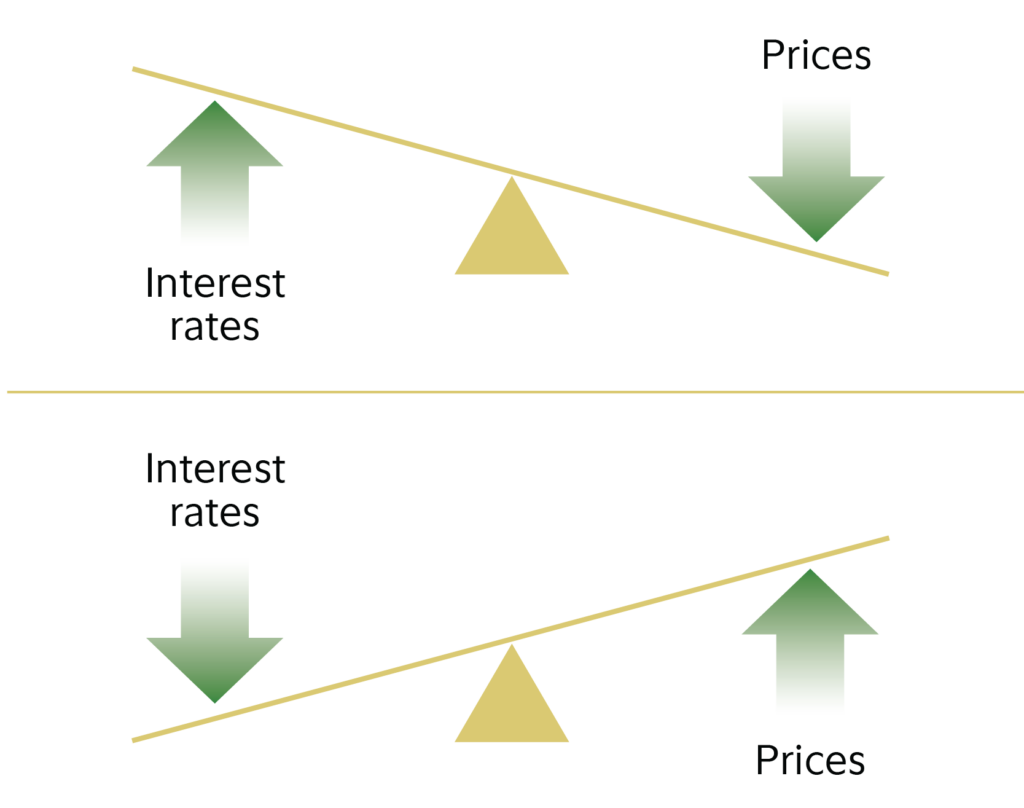
If the USA is able to issue the dollars via swap agreements that these countries to service their immediate needs without selling their treasuries, then this could enable the treasury market and the low interest rates to prevail a little longer–all while pushing these countries a little further connected to the US dollar. The Petrodollar is therefore no longer needed. It is replaced by currency swap lines with the Federal Reserve.
If history is any guide, we have reason to believe that this intervention would open up to the Middle East because of the Fed’s flexibility to extend this credit to nations as they have in the past.
The USA treasury is effectively looking at a situation where many countries are starved for liquidity and are thinking about dumping their bonds into the markets, flooding supply and rising interest rates. Again, this would mean credit cards, mortgages, car loans, insurance, everything would rise for your average citizens. The liquidity would dry up and concern would shift from struggling emerging markets in some country we cannot find on the map to US home-soil almost overnight.
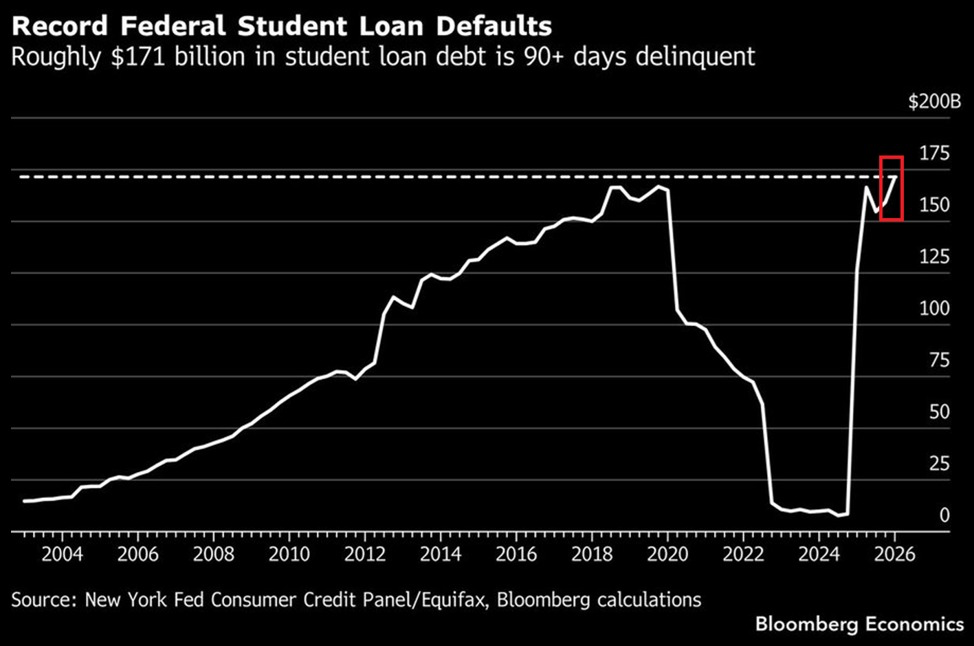
Why any of this matters
Countries are already expressing concerns over large U.S. budget deficits, growing national debt, and the unpredictability of U.S. political and trade policies.
The largest holder of US treasuries has already been dumping them onto the market: Japan has indeed been selling US Treasuries Japanese investors net sold $29.6B in Q1 2026
And bond markets have responded: US Treasury yields surged to 16-month highs driven by global bond sell-offs and inflation fears linked to the ongoing conflict in Iran and elevated oil prices. Benchmark 10-year yields reached 4.59%, the 30-year bond climbed above 5.12%, and the 2-year yield hovered near 4.07%
Sweden’s largest private pension fund, Alecta, sold the majority of its U.S. Treasury holdings—an estimated $7.7 billion to $8.8 billion—between early 2025 and 2026. Russia and China as we know have been sellers of US treasuries as well. Other relatively neutral countries have not been selling, but they’re not buying at the same rate either (or rolling over their existing debts).
This becomes a race to the bottom; once one country begins selling in a big way, it hurts everyone’s book and causes a chain reaction of effectively dumping US debt.
This flash sale can trigger a cratering global economy and like in 2008, a level of counterparty risk that nobody wants to lend out further dollars.
We’re Facing A Tsunami of Debt
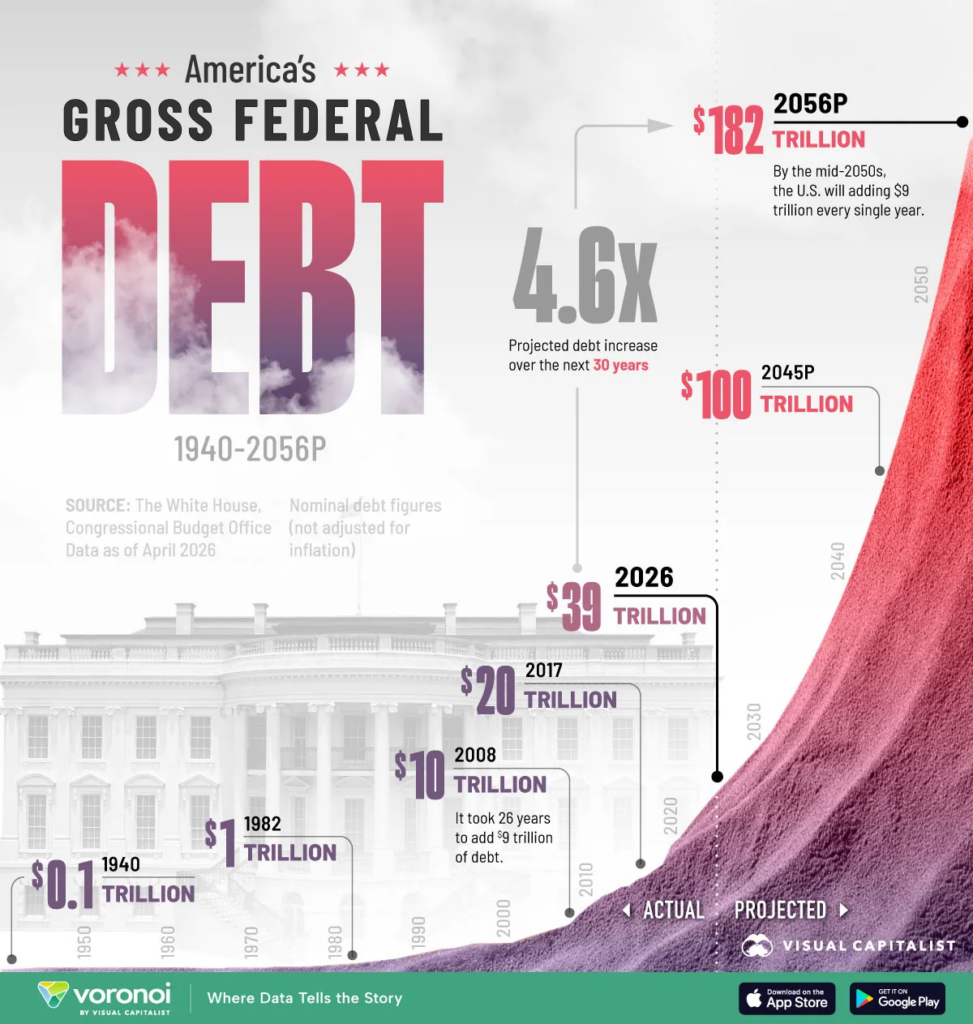
Takeaway
It is clear due to inflation and rising debt, over the long run, the dollar is doomed–and it’s unclear how the world looks when toilet paper is literally worth more than 100 dollar bills. However, until then, we’re seeing financial warfare play out in front of our eyes where the dollar is governing the entire world.
The USA needs buyers of their debt more than ever–especially as the selling as began already–and they have the legal capacity to trick the “would be” sellers of the existing US debt to “sell it later” and bail them out accordingly through the use of currency swaps. This will first and foremost be done with countries who are politically friendly with the United States.
Hostile foreign nations however, since they’re not able to gain access are forced to sell their U.S. Treasuries below face value, before maturity. This means taking a loss and hurting to service one’s debts/import resources.
There is no winning solution here in global finance. Either these hostile nations compensate by printing domestic currency, causing hyper-inflation in emerging markets, giving further justification for a BRICS currency to develop or they liquidate foreign treasury assets for dollars and in doing so, destroy the global economy of trade by forcing interest rates higher.
Things in Dollars
Worse yet, if global economic activity continues to slow, this is further aggravated by the hunt for resources. We can see the production of oil is lower and the price continues to climb as well. Regardless of the commodity (another example worth exploring are the supplies of copper) that is squeezed, it causes the fight for dollars becomes even more serious (since they need MORE dollars for the same normal amount of petroleum or copper). Demand for dollars therefore increases proportionally to the demand for resources.
In Supply We Trust
If the demand of dollars continues to rise as a result of muddled economic growth in foreign countries–the USA naturally becomes the cleanest dirty shirt in the closet. Demand for dollars grows even more (against foreign currencies) since everybody parks their capital in the USA and in dollars. Either way, all of the dollars get sucked into the U.S. either through investment (growth) or fear (get it out of my failing economy) and the world is left begging.

Closing
It’s a major question mark as to whether emerging markets will continue to sell the treasuries onto the market to find these dollars, or if these swap lines will be extended (and accepted) to keep the ball rolling. Just like the friendly person who wants you to be indebted to him, it’s questionable whether this trick continues to work to convince banks to continue to play the dollar game or whether they even have any choice as their local economies need to service their debts/consume resources. It’s worth considering how much debt your country currently is holding.
As of now, we’re seeing a situation where the USA are in the driving seat in so far as they’ll ease the suffering with, you guessed it, more dollars. However if the world rejects this, assumes it’s pain, works on an alternative like BRICS and gold, then we’re looking at a completely different picture of global finance.
And remember what happened when a country started to do their own thing? Well, I suppose that’s for another article…